Understanding Mold Remediation Gettysburg PA: A Homeowner's Guide
Why Mold Is a Serious Concern in Gettysburg
Living in Gettysburg, Pennsylvania means dealing with humid summers and cold, damp winters. These conditions create an ideal environment for mold growth inside homes. I have seen basements, crawl spaces, and even attics become breeding grounds for mold, often without the homeowner realizing it until the problem is advanced. Mold is not just an unsightly nuisance. It can trigger allergies, asthma, and other respiratory issues. The Environmental Protection Agency warns that indoor mold growth can lead to health problems, especially for children and the elderly. That is why understanding the process of mold remediation Gettysburg PA is so important for local homeowners.
When you first notice a musty smell or see dark spots on walls or ceilings, it is natural to feel overwhelmed. But the good news is that effective solutions are available. The key is to act quickly and follow a systematic approach. A thorough mold inspection is the first step. A professional can identify the type of mold, the extent of the infestation, and the underlying moisture source. Without that, you are just guessing. I have seen many homeowners try to scrub mold away with bleach, only to have it return because the moisture problem was never addressed.
The Mold Remediation Process: Step by Step
Mold remediation is not simply cleaning. It involves containment, removal, and prevention. A certified mold remediator will start by isolating the affected area to prevent spores from spreading to other parts of the house. This often involves sealing doors and vents and using negative air pressure. Next, the physical removal begins. Porous materials like drywall, carpet, and insulation that are heavily infested usually need to be cut out and replaced. Non-porous surfaces can be cleaned with specialized solutions.
It is worth noting that the Environmental Protection Agency recommends against using bleach on porous surfaces because it does not penetrate deeply enough to kill the roots of the mold. Instead, professionals often use antimicrobial chemicals or even hydrogen peroxide for certain situations. White vinegar is another common household remedy that can be effective on small areas, but it is not a substitute for professional remediation. Boric acid is sometimes used as a preventive treatment on wood surfaces, though it is more common for pest control than mold. A HEPA vacuum is essential for capturing airborne spores after the cleaning is complete. Without a HEPA filter, you risk spreading spores throughout your home.
Air quality testing is another step that many homeowners overlook. After the remediation work is done, a mold inspection followed by air quality testing can confirm that the mold spore counts have returned to safe levels. This is especially important if anyone in the household has respiratory issues. Some insurance companies even require air quality testing as part of a mold insurance claim. So it is worth asking your provider about coverage before you start work.
Costs and Insurance Considerations
Mold remediation cost varies widely depending on the extent of the problem and the size of the affected area. A small patch of mold in a bathroom might cost a few hundred dollars, while a full basement remediation can run into thousands. I have seen estimates from local contractors range from $500 to $6,000 or more for serious infestations. The cost typically includes the initial mold inspection, containment, removal, disposal, and sometimes air quality testing afterward.
Many homeowners wonder whether their insurance will cover these costs. A mold insurance claim is possible, but it depends on your policy and the cause of the mold. Most standard homeowners insurance policies exclude mold damage that results from long-term neglect or high humidity. However, if the mold is caused by a covered peril like a burst pipe or a storm-related leak, the claim may be accepted. It is always a good idea to document everything with photos and keep receipts for any remediation work. A certified mold remediator can also provide a detailed report that supports your claim.
Hiring the Right Professional
Not every contractor is qualified to handle mold remediation. You want someone who is a certified mold remediator, meaning they have completed training from a recognized organization like the IICRC or the ACAC. These certifications ensure they understand containment protocols, proper cleaning methods, and safety procedures. A good remediator will also be familiar with hidden hazards like asbestos or lead paint that might be present in older Gettysburg homes. Disturbing these materials during mold removal can create a separate health crisis. So ask about their experience with older buildings and their approach to handling co-occurring hazards.
I also recommend getting at least three quotes and asking each candidate about their process for moisture control. If they do not mention fixing the source of moisture, keep looking. The best remediation is useless if the leak or humidity issue is left unresolved. A dehumidifier can help in the short term, but it is not a permanent fix for a leaking pipe or poor drainage around the foundation. A comprehensive approach includes mold prevention strategies like improving ventilation, fixing leaks, and grading the soil away from the house.
Practical Tips for Homeowners
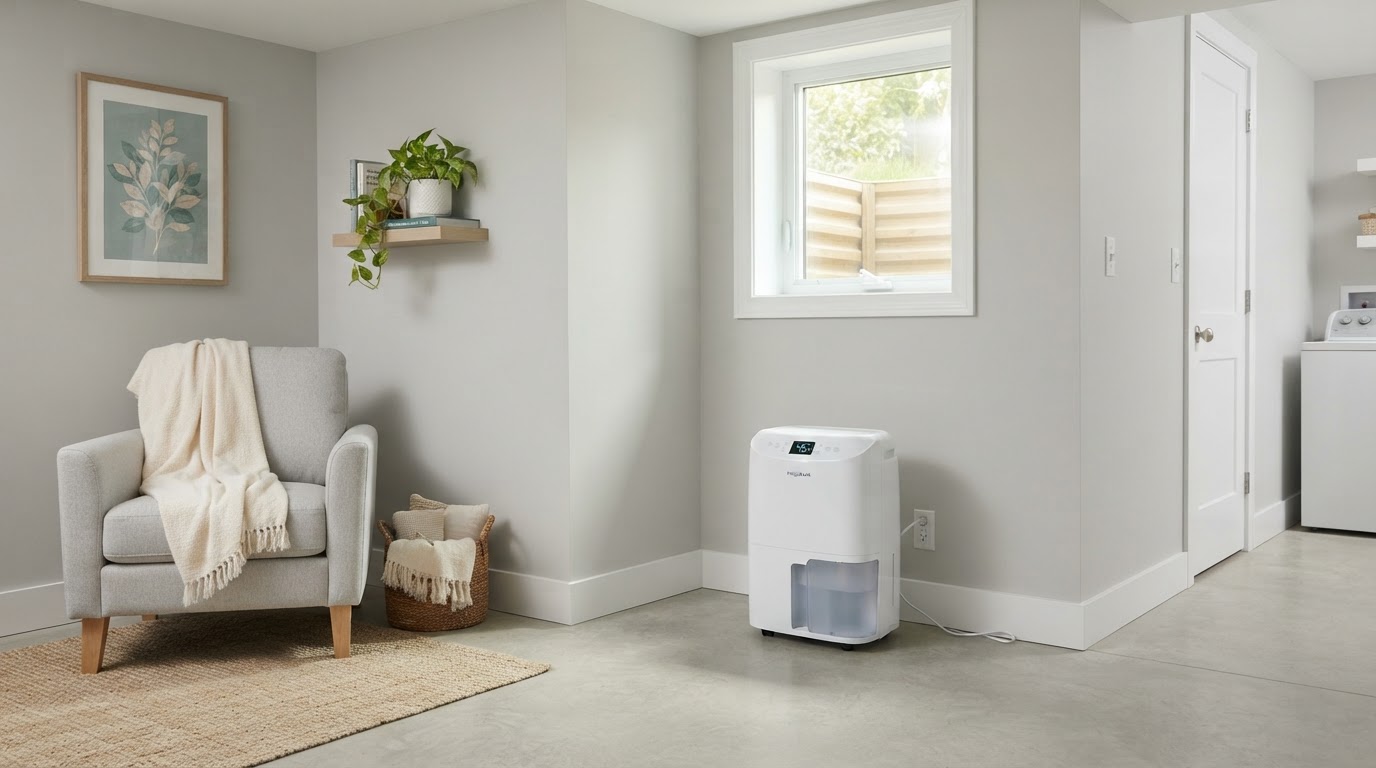
While professional help is often necessary, there are steps you can take on your own to reduce the risk of mold. Start by controlling indoor humidity. A dehumidifier in the basement can make a big difference, especially during the summer. Make sure your bathroom and kitchen fans vent to the outside. Check for leaks under sinks and around windows. If you notice condensation on windows, that is a sign of high humidity. Wiping it away regularly can prevent mold from taking hold.
For small areas of mold on hard surfaces, a solution of white vinegar or hydrogen peroxide can be effective. Spray it on, let it sit for a few minutes, then scrub and dry. Avoid using bleach on drywall or wood because it can damage the surface and may not kill the roots. If you have a HEPA vacuum, use it to clean up any loose spores after cleaning. But remember, these are only temporary measures. If the mold covers more than a few square feet, call a professional.
Prevention Is the Best Strategy
Mold prevention is really about moisture control. The Environmental Protection Agency states that the key to preventing mold is to keep your home dry. That means fixing leaks promptly, ensuring proper drainage around the foundation, and maintaining low indoor humidity. In Gettysburg, where the climate is humid for much of the year, a dehumidifier can be a wise investment. Also, consider using a HEPA filter in your HVAC system to capture spores before they circulate. Regularly inspect your attic and basement for signs of moisture. Early detection can save you thousands of dollars in mold remediation cost later.
If you are planning renovations, use mold-resistant drywall and paint in areas prone to moisture. These products contain antimicrobial agents that inhibit mold growth. Also, make sure your crawl space has a vapor barrier to prevent ground moisture from seeping into the wood. These steps are simple but effective.
Conclusion: Taking Action
Dealing with mold is never fun, but it is a manageable problem if you approach it systematically. Whether you are looking at a small spot in the corner or a full-blown infestation in the basement, the principles are the same: identify the source, contain the area, remove the mold safely, and fix the underlying moisture issue. For homeowners in Gettysburg, Pennsylvania, finding a qualified professional for mold remediation Gettysburg PA is essential. Do not wait until the problem spreads. The longer you delay, the more expensive and complicated the fix becomes.
And remember, a thorough mold inspection and air quality testing after remediation give you peace of mind that your home is safe again. If you have health concerns or are preparing to sell your house, these steps are especially important. Mold remediation Gettysburg PA is not just about cleaning. It is about protecting your health, your home, and your investment. With the right knowledge and help, you can tackle the problem head-on and keep your home healthy for years to come.